Below you’ll find a list of films we’ll watch this semester in AAL. Whether we watch a film in full or just clips, it’s important for you each to understand the themes and topics the film may broach to prepare yourself mentally and emotionally. Note that the list below is not comprehensive. Some themes, topics, or motifs I will not include below; my hope is that you will make connections and bring them up during discussion. As always, send me an email if you find any glaring issues or faulty information.






| Title (Date) | Writer | Director | Genre | Themes & Major Ideas |
| Sinners (2025) | Ryan Coogler | Ryan Coogler | supernatural horror, period drama, Southern gothic | resilience, Jim Crow South, racial oppression, assimilation, loss of identity, religion |
| Queen & Slim (2019) | Screenplay by: Lena Waithe Story by: James Frey, Lena Waithe | Melina Matsoukas | thriller, crime fiction, romance | resistance, systemic racism, police brutality, black love, freedom, legacy |
| BlackkKlansman (2018) | Charlie Wachtel, David Rabinowitz, Kevin Willmott, Spike Lee Based on: Black Klansman by Ron Stallworth | Spike Lee | history, comedy, detective fiction | racism, white supremacy, cyclical nature of history, racial justice, civil rights activism |
| Black Panther (2018) | Ryan Coogler | Ryan Coogler | superhero, fantasy, science fiction | identity, belonging, anti-colonialism, tradition, progress, technology, resources |
| Get Out (2017) | Jordan Peele | Jordan Peele | psychological horror | modern racism, white entitlement, commodification of black bodies, microaggressions, cultural appropriation |
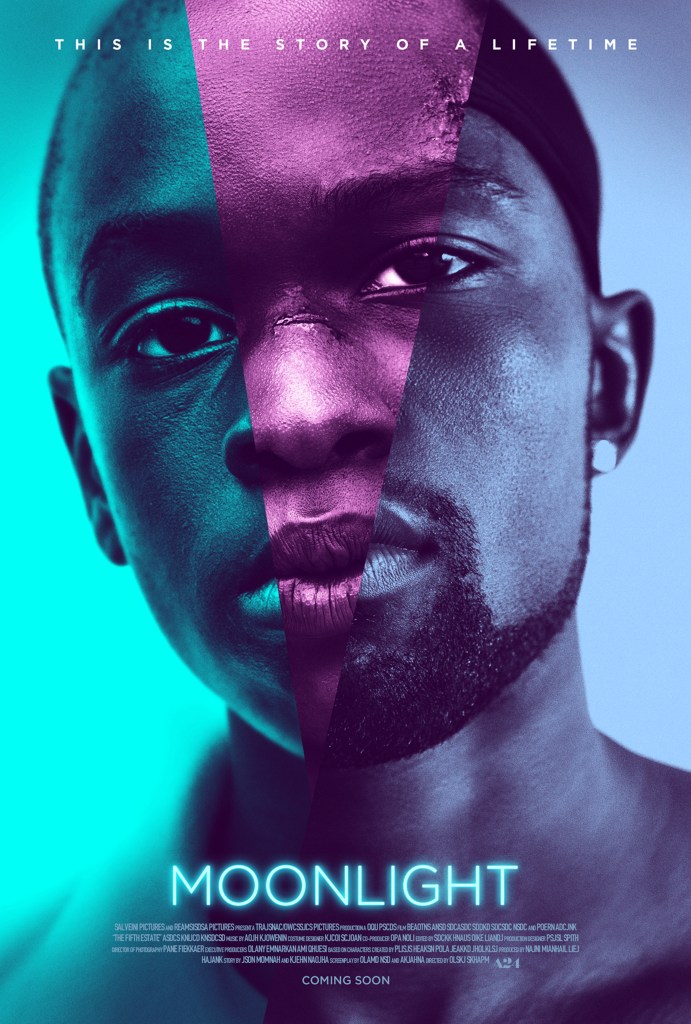
| Moonlight (2016) | Barry Jenkins | Barry Jenkins | LBBTQ+, coming-of-age story, romance | power, difference, discrimination, masculinity, homophobia |
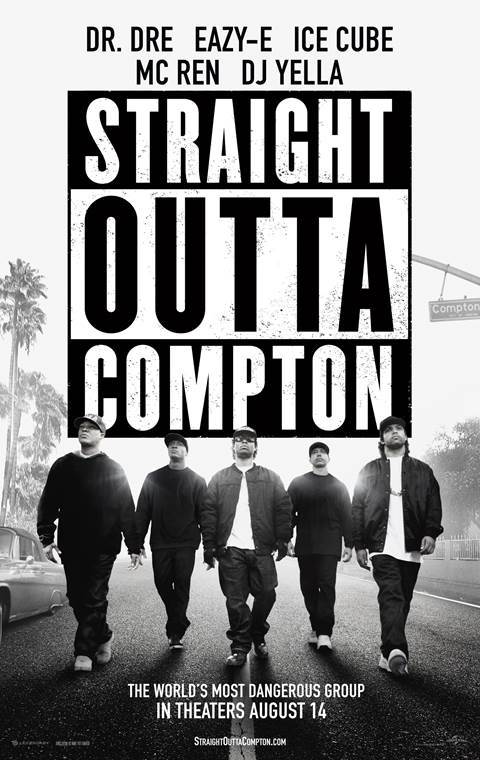
| Straight Outta Compton (2015) | Screenplay: Jonathan Herman, Andrea Berloff Story by: S. Leigh Savidge, Alan Wenkus, Andrea Berloff | F. Gary Gray | history, biographical drama, hip-hop | police brutality, racial injustice, fame, fortune, loyalty, inner turmoil |
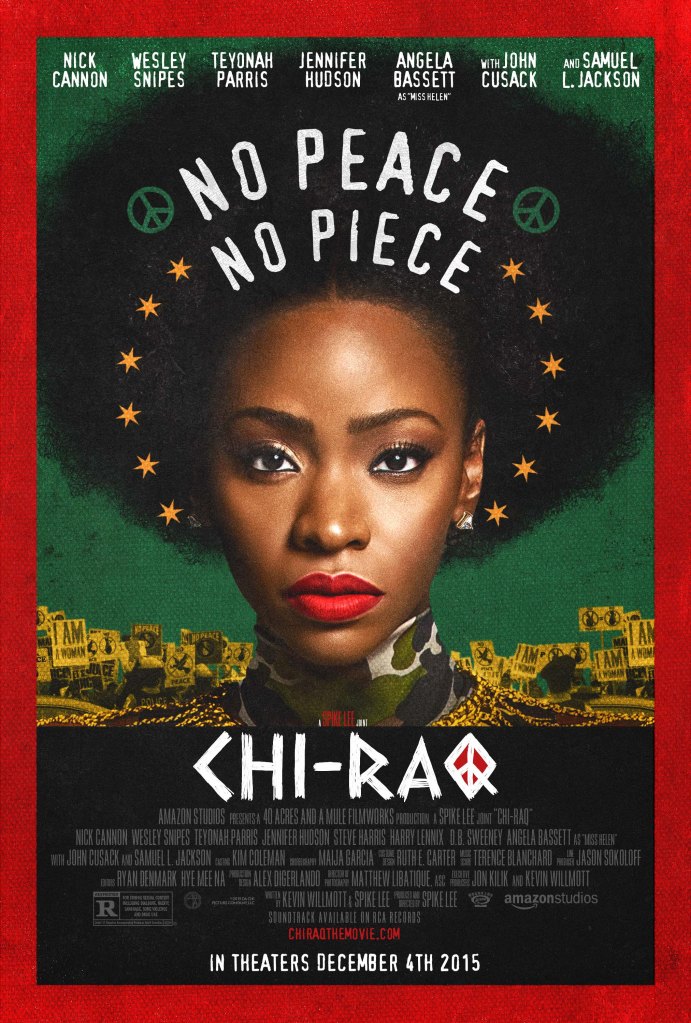
| Chi-Raq (2015) | Kevin Willmott, Spike Lee Based on: Lysistrata by Aristophanes | Spike Lee | musical drama, crime, comedy | peace, violence, race, poverty, role of women, conflict, toxic masculinity, systemic issues, political issues, gang warfare |
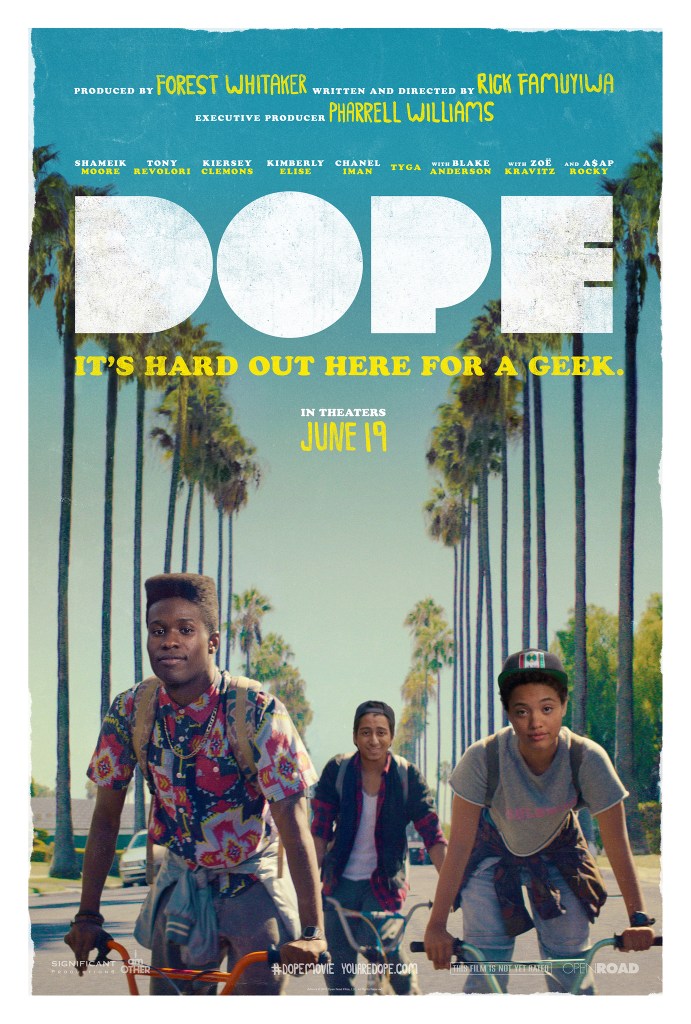
| Dope (2015) | Rick Famuyiwa | Rick Famuyiwa | coming-of-age, comedy | black nerds, identity, race, socioeconomics, racism, public education |
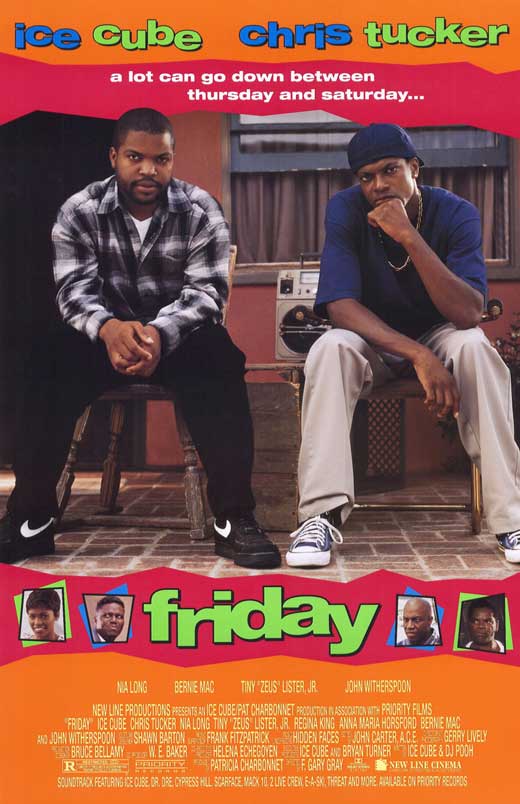
| Friday (1995) | Ice Cube, DJ Pooh | F. Gary Gray | friendship, community, South Central LA, poverty, crime, unemployment, | |
| Malcolm X (1992) | Screenplay by: Arnold Pearl, Spike Lee Based on: The Autobiography of Malcolm X by Malcolm X with Alex Haley | Spike Lee | biographical drama | racial identity, transformation, Black empowerment, spirituality, awakening |
| Juice (1992) | Screenplay by: Gerard Brown, Ernest R. Dickerson Story by: Ernest R. Dickerson | Ernest Dickerson | crime thriller | friendship, loyalty, pursuit of power, ambition, conformity, violence, social pressures |
| Do the Right Thing (1989) | Spike Lee | Spike Lee | racial tension, inequality, community identity, individual identity, injustice, love, hate, oppression |
Driving Questions
- How do directors and scriptwriters define African American identity and culture through film?
- What major issues are they attempting to bring to light through their artwork?
- How successfully have these ideas become major discussion points in larger American society? International society?
Discussion Questions by Topic
Storytelling & Representation
- How does this film define or challenge what it means to be “Black” in America?
- In what ways does the filmmaker’s storytelling style echo traditions found in African American literature?
- How does the film portray community, family, or belonging? What tensions or strengths arise within those spaces?
- What forms of resistance or resilience do characters show, and how do those align with literary depictions of similar themes?
- How do the settings—urban, rural, Southern, diasporic—shape the identity and choices of the characters?
Language, Voice, and Symbolism
- What role does dialogue, dialect, or silence play in conveying identity and emotion?
- How do symbols, recurring images, or music contribute to the film’s message about race, power, or heritage?
- Where do you notice intersections between literary devices (metaphor, motif, allegory) and cinematic techniques (lighting, framing, soundtrack)?
- Does the film rely on realism, satire, magical realism, or another narrative mode to express its themes? Why might the director choose that approach?
History, Memory, and Cultural Context
- How does the film engage with historical events or social movements, either directly or indirectly?
- What generational perspectives on race, gender, or class emerge across the film?
- In what ways does the film speak to the political or cultural climate of its release year?
- How does the film contribute to ongoing conversations about racial justice or representation in media?
Identity, Gender, and Intersectionality
- How are gender and sexuality represented alongside race and class in this film?
- Do the portrayals of masculinity and femininity challenge or reinforce stereotypes?
- How do the experiences of Black women or queer characters expand the narrative of Black identity?
- What emotional or intellectual responses did the film evoke, and why might those responses matter in understanding identity?
Creative Vision and Cultural Legacy
- How does the director’s or writer’s personal background influence the film’s themes and tone?
- What makes this film distinctly “literary”? How might it function as both art and social commentary?
- How has African American filmmaking evolved since 1989, and where do you see that evolution reflected here?
- What conversations or collaborations between literature and film could this work inspire?
How might you illustrate your learning throughout the year?
- Student-led discussion w/ teacher facilitation
- Pair the scene with a piece of art and/or music (from an artist or student-created)
Rubric
Assignment Total: 60 points
| Needs Work | Competency | Exceeds Expectations |
| I contribute to the conversation by making connections, answering questions, or offering other insights | ||
| I make space for other voices to be heard and works cooperatively in discussion | ||
| I use evidence from the texts (films, artwork, songs, novels, and short stories) to substantiate my claims and to help support claims of others | ||
| I make connections between the material and myself, other texts, and the world | ||
| I ask questions that challenge the group to dig deeper by posing questions that encourage substantive conversation and critical thinking | ||
| I included my piece of artwork and/or music to our collaborative Google Slides presentation. I also included an appropriate MLA citation. |
Black Art & Artists
Consider how we might pair the pieces featured below with our discussion topics.
- Detroit Collects: Selections of African American Art from Private Collections
- Detroit Artists to Know (Scroll down to the bottom.)
- The Art Institute of Chicago Highlights Black Artists
- These Black Artists Are Defining Contemporary Art Today
- 31 Pieces of Wall Art From Black Artists


 Ms. Conti's Literature Lab
Leave a comment